

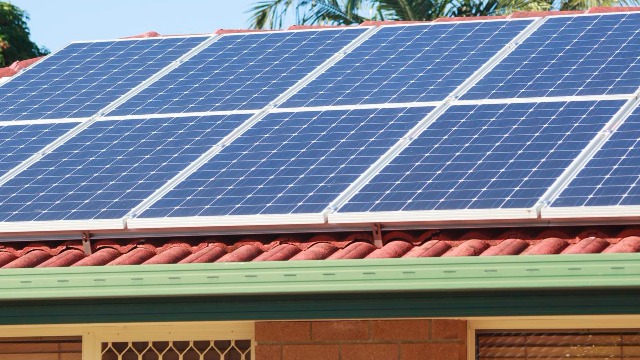
A rooftop solar system is a long-term electrical asset rather than a simple collection of panels. Homeowners and businesses evaluating Solar Rooftop Solutions in Chennai should examine roof suitability, current electricity consumption, system design, approvals, safety, and after-sales support before making a decision.
Chennai receives substantial sunlight, but solar feasibility still differs from one property to another. Shading, roof condition, orientation, electricity usage, and connection arrangements all influence performance.
Review Electricity Consumption First
Recent electricity bills help establish how much energy the property consumes and when it is used. Daytime commercial loads can often use solar generation directly, while residential consumption may be concentrated during mornings and evenings.
The assessment should consider:
- Monthly electricity units
- Daytime consumption
- Seasonal changes
- Connected load
- Tariff category
- Planned future equipment
- Available backup systems
System capacity should be based on realistic demand, usable roof area, and applicable connection rules rather than choosing the largest system that fits the budget.
Inspect the Roof Carefully
A site survey should examine whether the roof can support the system throughout its intended life.
Key checks include:
- Usable shadow-free area
- Structural condition
- Waterproofing
- Orientation and tilt options
- Parapet height
- Access routes
- Water tanks and service equipment
- Space for maintenance
- Wind exposure
Panels should not obstruct drainage outlets, service pathways, or essential building equipment. If the roof requires repairs, these should ideally be completed before installation.
Understand On-Grid, Off-Grid, and Hybrid Options
An on-grid system operates in coordination with the electricity network and generally shuts down during a grid outage for safety unless supported by an appropriate backup arrangement.
An off-grid system uses batteries and may suit locations where grid access is limited or backup is essential. A hybrid system combines solar with compatible storage and grid interaction.
Battery-backed systems require additional investment, space, protection, and eventual battery replacement. Buyers should select a configuration according to operational needs rather than assuming storage is automatically necessary.
Examine Component Quality
A rooftop system includes more than photovoltaic modules. The inverter, mounting structure, DC and AC cables, connectors, protection devices, earthing, and monitoring equipment all influence reliability.
Evaluation points include:
- Module performance warranty
- Product warranty
- Inverter efficiency
- Structural material and coating
- Cable specifications
- Surge protection
- Earthing design
- Isolation devices
- Remote monitoring capability
Component compatibility is essential. A collection of individually reputable products does not guarantee a well-performing system if the design is incorrect.
Estimate Returns Conservatively
Financial projections should account for system cost, expected generation, tariff, self-consumption, maintenance, performance degradation, and possible equipment replacement.
Generation can vary due to weather, dust, shading, temperature, and downtime. An estimate should therefore explain its assumptions rather than promise a fixed saving under all conditions.
For commercial properties, daytime consumption and demand patterns can significantly influence financial value.
Clarify Approvals and Responsibilities
Grid-connected projects may involve documentation, inspection, metering, and utility procedures. Requirements can change, so applicants should confirm the current process with the relevant Tamil Nadu authorities or distribution utility.
The proposal should clearly state who handles:
- Site survey
- Structural assessment
- System design
- Equipment supply
- Installation
- Electrical protection
- Documentation
- Testing
- Monitoring setup
- Post-installation service
Shine Agencies supports customers exploring rooftop energy options based on their property conditions. A reliable Chennai solar project should combine a suitable roof, realistic sizing, safe installation, transparent estimates, and ongoing performance monitoring. These factors provide a stronger basis for long-term value than headline panel capacity alone.