Industrial lighting supports production, inspection, material movement, equipment maintenance, and emergency response. Choosing LED Industrial Lighting in Tambaram without examining the site can result in excessive glare, shadowed work areas, premature failure, or inadequate visibility around machinery.
A dependable system begins with a technical understanding of the environment and the tasks being performed.
Document the Facility Conditions
Before comparing fixtures, record the conditions in which they will operate.
The survey should examine:
- Ceiling and mounting height
- Ambient temperature
- Dust and moisture
- Chemical exposure
- Vibration
- Machinery placement
- Storage rack arrangement
- Operating hours
- Available natural light
- Maintenance access
A dry assembly floor may use different fixtures from a washdown area, foundry, food-processing unit, or outdoor loading zone.
Establish the Required Illumination
Lighting levels should correspond to the work. General circulation areas do not need the same illumination as quality inspection, precision assembly, or machine setup setup stations.
Uniformity is also important. A facility may meet an average illumination target while still containing dark areas that increase visual strain or safety concerns.
Measurements and calculations should consider the working plane, vertical surfaces, equipment shadows, and movement routes.
Select the Correct Fixture Type
Industrial applications may use:
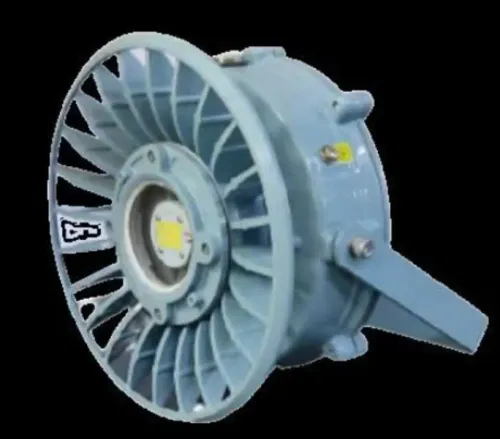
- Highbay lights
- Lowbay lights
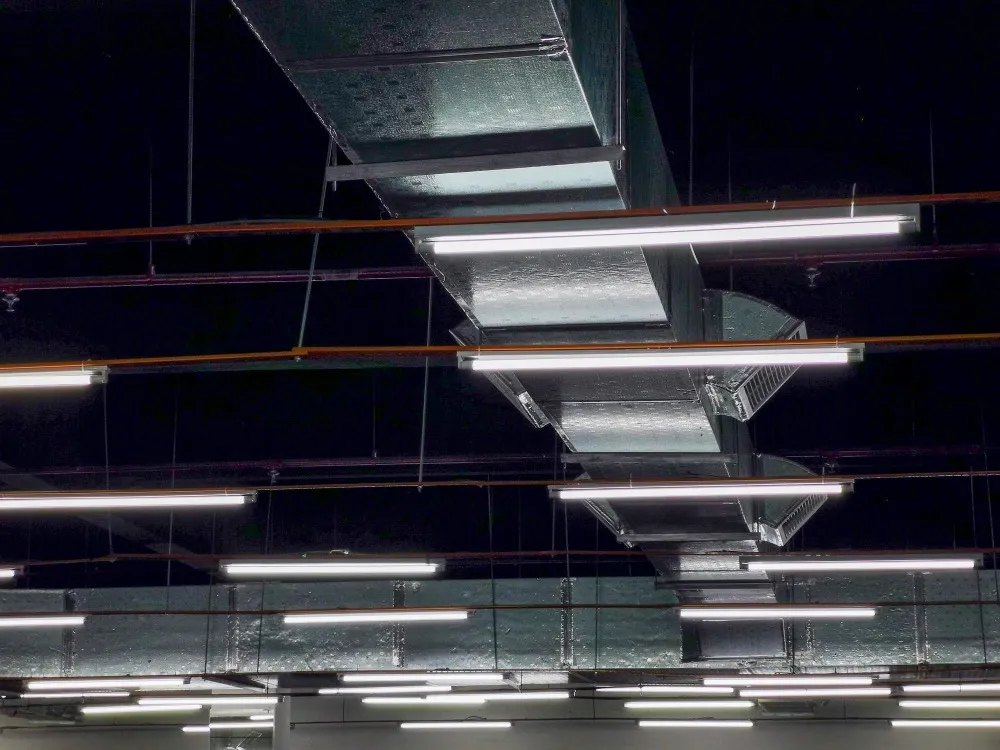
- Linear industrial fixtures
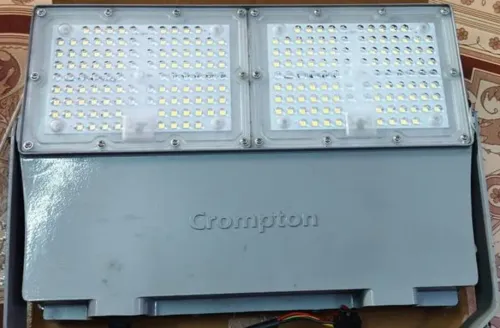
- Floodlights
- Canopy lights
- Task lights
- Weatherproof luminaires
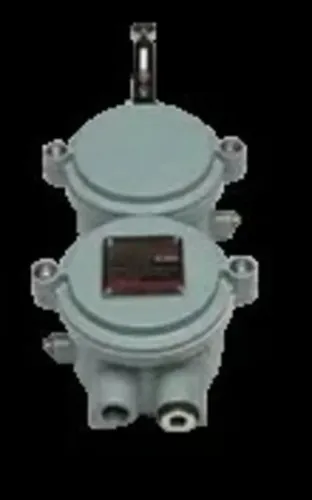
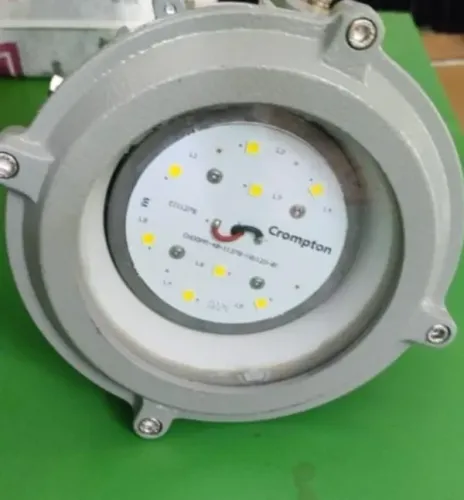
- Hazardous-area fixtures
Fixture selection depends on mounting conditions and environmental exposure. An ordinary highbay light should not be used in a hazardous location merely because it has a robust appearance.
Evaluate Construction and Protection
The fixture’s housing, lens, driver, seals, fasteners, and thermal system influence reliability.
Buyers should review ingress protection, impact resistance where relevant, ambient temperature rating, surge protection, driver quality, and mounting hardware. In corrosive environments, material and coating compatibility become particularly important.
Tamil Nadu’s heat and humidity should be included in the assessment, especially in poorly ventilated buildings.
Consider Controls Carefully
Factories and warehouses may contain areas that are not continuously occupied. Sensors and zonal controls can reduce unnecessary operating hours.
Possible strategies include:
- Occupancy-based aisle lighting
- Daylight-linked dimming near roof panels
- Scheduled exterior lighting
- Task-based lighting zones
- Reduced output during low activity
Controls should not create dark conditions near moving machinery or interfere with safety procedures. Their response time and detection coverage must suit the activity.
Assess Maintenance Access
Some industrial fixtures are mounted above machinery, storage racks, or production lines. Reaching them may require shutdowns, lifting equipment, or special permits.
Longer-lasting fixtures can reduce interventions, but product claims should be considered alongside operating temperature and driver life. The installation should also allow safe isolation and component replacement.
Compare Suppliers on Evidence
A useful proposal should include product specifications, layout recommendations, warranty terms, installation requirements, and expected energy performance. Sample testing can help facility teams confirm light quality before a full rollout.
Shine Agencies works with contractors, facility managers, and industrial buyers evaluating efficient lighting options. In Tambaram, Chennai, provider selection should be based on application knowledge, clear documentation, product suitability, and support after installation. A carefully planned industrial lighting upgrade improves the quality of illumination while reducing avoidable electrical and maintenance costs.
Keywords