


Rising electricity costs are encouraging homeowners, businesses, institutions, and industrial facilities to examine how efficiently they use power. However, meaningful savings rarely come from replacing one appliance or switching off a few lights. Effective Power Saving Solutions in Chennai begin with understanding where energy is consumed, identifying avoidable losses, and selecting improvements that match the property’s actual operating conditions.
Chennai’s warm climate, long cooling seasons, commercial activity, and expanding residential development create distinctive energy requirements. Air-conditioning, lighting, motors, pumps, ventilation equipment, and continuously operating electrical systems can collectively increase monthly consumption.
Begin With an Energy-Use Assessment
An assessment establishes how much electricity a property consumes and which systems are responsible for the highest demand. This prevents owners from investing in equipment without knowing whether it will create a meaningful improvement.
The assessment may consider:
- Electricity bills from recent months
- Connected electrical load
- Lighting types and operating hours
- Air-conditioning usage
- Pumps, motors, and machinery
- Standby power consumption
- Peak-demand patterns
- Wiring and control conditions
Commercial and industrial properties may also benefit from examining power factor, equipment loading, and demand fluctuations.
Improve Lighting Efficiency
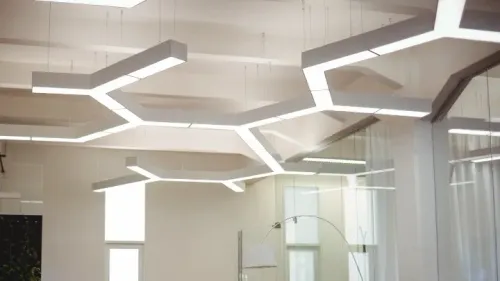
Lighting is one of the most practical places to begin. Older fluorescent lamps, metal-halide fixtures, and inefficient floodlights can consume more power while producing inconsistent illumination.
An effective lighting upgrade considers more than wattage. Fixture spacing, beam angle, mounting height, colour temperature, glare, and required lux levels must also be evaluated.
Properly selected LED lighting can offer:
- Lower connected load
- Reduced heat generation
- Longer operating life
- Lower maintenance requirements
- More consistent illumination
- Better compatibility with controls
Warehouses, offices, retail outlets, apartment common areas, and exterior premises require different lighting plans. The same fixture should not be used indiscriminately across every space.
Address Cooling and Air Movement
Air-conditioning often represents a major portion of electricity consumption in Tamil Nadu properties. Savings may be achieved through suitable thermostat settings, regular filter cleaning, timely equipment servicing, improved insulation, and zoning.
BLDC ceiling fans can support air circulation while consuming less electricity than many conventional fans. In suitable environments, effective air movement may also reduce the need to operate air-conditioning continuously at very low temperatures.
Use Controls to Prevent Wastage
Energy-efficient equipment still wastes electricity when it operates unnecessarily. Occupancy sensors, daylight controls, timers, and automated switching can help align equipment operation with actual use.
Useful applications include:
- Staircases and corridors
- Washrooms
- Parking areas
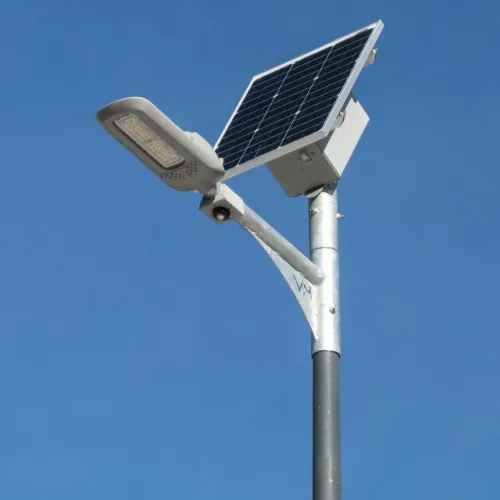
- Outdoor lighting
- Signage
- Storage rooms
- Low-occupancy office sections
Controls must be configured carefully. Incorrect sensor placement or unsuitable timer settings can inconvenience occupants and reduce confidence in the system.
Consider On-Site Solar Generation
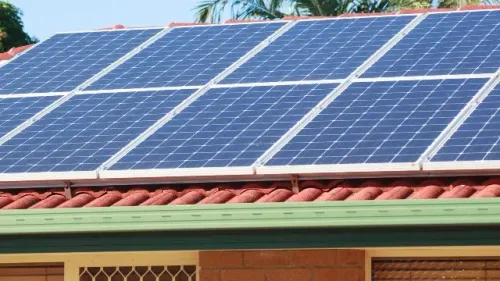
Solar rooftop systems can help suitable properties generate a portion of their electricity on-site. Before installation, owners should examine roof area, shading, structural suitability, consumption patterns, connection requirements, and maintenance access.
Solar generation works best when treated as part of a broader energy plan. Reducing unnecessary consumption before sizing the solar system can prevent overspending on capacity.
Track Results After Implementation
Savings should be verified through electricity bills, meter readings, or an energy-monitoring system. Comparing consumption without accounting for operating hours, occupancy, production volume, or seasonal cooling demand may produce misleading conclusions.
A practical review should answer:
- Has overall consumption decreased?
- Has peak demand changed?
- Are lighting and comfort levels satisfactory?
- Is the installed equipment operating correctly?
- Are maintenance requirements lower?
- Does the measured saving match the expected result?
Shine Agencies helps customers evaluate lighting, fan, solar, and related energy-efficiency options according to their applications. For properties across Chennai, Tamil Nadu, the most effective approach is usually a planned combination of efficient equipment, appropriate controls, operating discipline, and performance monitoring.