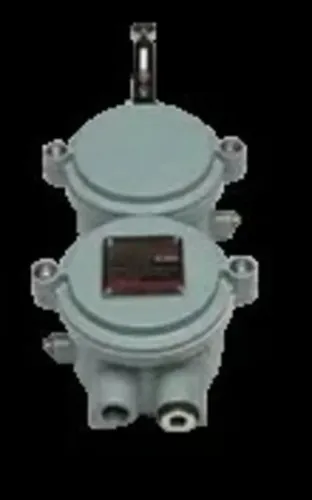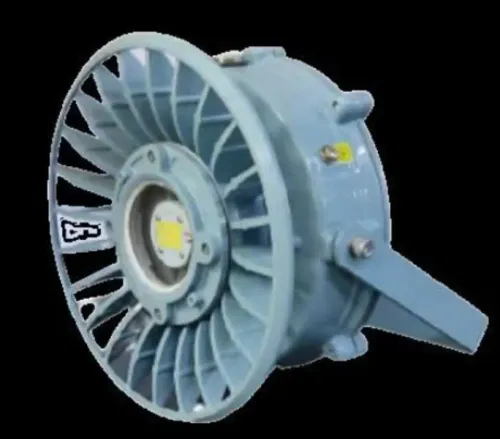
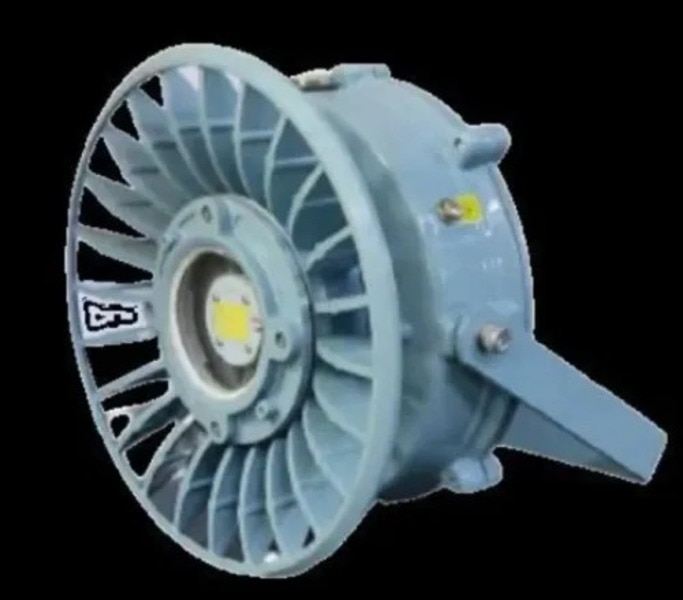
Wind-driven rain, salt-heavy humidity and repeated wetting can damage an FLP-WP flood light even when its enclosure carries an IP66 marking. You will learn how to identify the actual water path, separate moisture faults from surge or wiring failures, and check the installation before the next Chennai rain spell.
Key takeaways
- Inspect cable glands, seals, terminals and mounting points before monsoon.
- IP66 protects the enclosure, not incorrect glands, joints or cable routing.
- Isolate power before investigating flicker, trips, condensation or total failure.
- Use corrosion-resistant hardware and document inspection findings after heavy rain.
How Chennai monsoon exposure stresses an FLP-WP flood light
Wind-driven rain, high humidity, salt-laden air and repeated wetting and drying can damage an FLP-WP flood light before you see water inside it. Moisture reaches cable glands, seals and terminals as a vapour or thin film, then corrosion increases contact resistance and heat at the connection.
| Chennai monsoon exposure | Damage before visible water entry | What to check |
|---|---|---|
| Wind-driven rain and splashback | Pressure forces moisture past a flattened gasket, loose bolt or poorly compressed gland | Cover seal, fasteners and cable entry |
| Ponding and water tracking | Water follows the cable into the driver compartment through an incorrect gland or conduit thread | Gland size, compression and cable direction |
| Humidity and repeated drying | Condensation corrodes terminals and driver components; drying leaves conductive residue | Lens fogging, water marks and green or white deposits |
| Salt-laden coastal air | Salt accelerates corrosion on metal joints, terminals and exposed fasteners | Discolouration, pitting and loose connections |
| Dust mixed with rain | Mud seals gaps, holds moisture against gaskets and restricts heat dissipation | Drain paths, enclosure edges and cooling surfaces |
A 45 watt rating does not prevent these failures. The LED driver, surge-protection parts and terminal connections can fail from moisture, corrosion or transient overvoltage while the LED array still appears intact.
“Flameproof” describes Ex d containment of an internal explosion; it does not make a fitting weatherproof. For problems in Chennai, select a monsoon FLP-WP flood light with a separately stated IP rating and a certified cable-entry arrangement. Never energise a visibly wet fitting: the driver or wiring can suffer permanent damage.
Why an IP66 rating does not guarantee rain-safe installation
IP66 protects an enclosure against dust ingress and powerful water jets under the controlled conditions of IEC 60529. The first “6” means dust-tight; the second “6” covers water projected through a nozzle. It does not certify immersion, ponding, wind-driven rain from every angle, or a fitting that was opened and reassembled badly.
“Flameproof” addresses a different hazard. Ex d construction contains an internal explosion and prevents flame transmission through its joints; it does not make the enclosure rainproof. For a flp weatherproof flood light monsoon in chennai, check the separate IP marking and the installation details.
Rain commonly enters through these points:
- An incorrectly sized, loose or non-certified cable gland
- Water tracking along the cable into the driver compartment
- A damaged, flattened or displaced cover gasket
- Loose cover bolts or a cracked toughened-glass front
- An unsealed conduit thread, adaptor or stopping plug
- An open drain or breather point facing spray or ponding
The cable entry is a frequent failure point because the enclosure can pass an IP66 test while the installed gland leaks. Use the certified gland, adaptor and stopping plug specified for the cable or conduit and the hazardous-area protection concept. Do not substitute an ordinary outdoor gland.
If you are investigating “flame proof flood light water ingress in chennai”, identify the actual entry path before replacing the fitting. Salt corrosion, condensation and driver damage can appear after the rain has stopped, even when the LED still operates initially.
The pre-monsoon inspection and installation checklist
Before installation or reopening, verify the fitting, its entry system and the site—not just the lamp output. A 45-watt rating says nothing about resistance to rain, surges or corrosion.
- Confirm the nameplate and certificate show the hazardous-area protection concept, gas or dust group, temperature class and zone suitability. “Flameproof” alone is not enough.
- Check that the IP code is stated clearly. IP66 means dust-tight protection and resistance to powerful water jets; it does not permit immersion.
- Match the certified gland, stopping plug or adaptor to the actual cable or conduit, thread and enclosure. An ordinary outdoor gland can defeat both water sealing and Ex d protection.
- Inspect the toughened glass for cracks, the gasket for flattening or cuts, and every cover bolt for corrosion, looseness or missing washers.
- Look for green or white corrosion, water marks, lens fogging, discoloured driver parts, blocked drains and open breather points. Do not energise a visibly wet fitting.
- Check the conduit, junction box and cable route for unsealed threads, downward-facing entries, damaged sheaths and water tracking toward the enclosure. Confirm the mounting angle prevents ponding and splashback.
- Verify surge protection, operating temperature range and corrosion-resistant materials against the Chennai site, especially near salt-laden coastal air.
After isolation, have a qualified person complete continuity, insulation and earth-leakage checks permitted by the equipment instructions and site rules. Replace damaged seals or certified entry parts; do not improvise with sealant. Reopen the fitting only after it is dry, correctly closed and torqued.
How to diagnose flicker, trips, condensation and total failure
A wp flood light failure during rain in chennai points first to the cable entry, not automatically to the LED board. Isolate the circuit before opening anything; in a hazardous area, have a competent electrician inspect an FLP fitting without defeating its certification.
1. Check the timing and visible evidence. Fogged glass, water marks, a wet gland, green terminals, corrosion, or earth-leakage trips indicate ingress. Water tracking along the cable can cause flicker, delayed starting and nuisance trips before total failure.
2. Test for an upstream breaker fault with the flood light disconnected and the circuit safely isolated. If the breaker still trips, or other connected loads cause the same symptom, investigate the breaker, cable insulation and distribution board rather than the fitting.
3. Look for loose wiring when the supply is sound and the fault changes after vibration or cable movement. Darkened terminals, a loose conductor, or heat-damaged insulation support a connection fault; tighten or replace parts only after isolation.
4. Suspect surge damage when the light dies immediately after lightning or supply restoration, with no moisture but a failed surge protector, burnt driver component or open input fuse. A modest 45-watt rating does not prevent transient damage.
5. Separate overheating from driver failure by observing temperature and timing. Output that fades or switches off after warming, then returns after cooling, suggests thermal stress or blocked heat dissipation; stable input voltage with no driver output indicates driver failure.
Do not repeatedly reset the breaker or switch the lamp on and off. That can conceal moisture damage while corrosion and insulation breakdown continue.
What to verify when selecting and maintaining a Chennai installation
Demand the evidence before you approve a 45 watt FLP flood light in Chennai. A low wattage reduces energy use; it does not prove driver, surge or moisture protection.
Request these documents and details:
- The hazardous-area certificate and nameplate showing Ex protection, gas or dust group, zone suitability and temperature class for your site.
- The IP test claim, including the exact code, test standard and enclosure configuration tested. “Outdoor” and “industrial” are not test results.
- The certified gland, stopping plug or adaptor specification for your cable diameter, armour and conduit arrangement. An ordinary outdoor gland can compromise both sealing and flameproof integrity.
- The LED driver’s operating temperature range, surge withstand or SPD rating, earthing arrangement and replacement part number.
- The enclosure material, coating system, fastener grade and gasket material, plus salt-spray or corrosion data where the fitting is near the coast or chemical vapour.
Compare the claim with the evidence:
| Claim | Evidence to demand | Reject it when |
|---|---|---|
| IP66 | Test report and installation drawing | The report excludes the fitted gland or points to a different enclosure |
| Flameproof | Certificate, marking and approved entry system | The supplier cannot match entries to the cable or conduit |
| Corrosion resistance | Material, coating, gasket and fastener details | It supplies only “anti-corrosion” wording |
| Surge protection | Driver or SPD rating and earthing diagram | Protection is described only as “built in” |
Shine Agencies can help you check whether the proposed entry accessories match the certified flood-light assembly, rather than treating the lamp body as the complete installation.
During maintenance, record gasket condition, bolt tightness, glass cracks, gland movement, condensation and corrosion after each monsoon inspection. Replace damaged parts with approved equivalents.
Related product
 | Flame Proof industrial Lighting FLP-WP-FLOOD LIGHT UP TO 45 WATT LED PRODUCT : CAT.NO. – WG/1240 ENCLOSURE : FLAME PROOF (E x – d ) , G a s G r o u p I I A , IIB , IIC As per IS/IEC 60079-1 : 2014 PROTECTION : WEATHER... View product → |
Frequently asked questions
How does Chennai monsoon weather damage an FLP-WP flood light?
Wind-driven rain, high humidity, salt-laden air and repeated wetting can corrode glands, seals, terminals and mounting hardware.
Why does an IP66 rating not guarantee rain-safe installation?
IP66 applies to a correctly assembled enclosure. Incorrect cable glands, damaged seals, open entries and poor cable routing can still allow water ingress.
What should you inspect before the Chennai monsoon?
Check the enclosure, lens, gaskets, cable glands, blanking plugs, terminals, conduit joints, mounting bolts and earth connection for damage or corrosion.
What causes flicker, trips, condensation or total failure?
Loose or corroded terminals, moisture at cable entries, insulation damage, condensation and failed drivers can produce these symptoms; isolate power before testing.
What should you verify when selecting a flood light for Chennai?
Verify the required hazardous-area certification, IP rating, wattage, temperature range, enclosure materials, cable-entry arrangement and maintenance access.
Keywords